
A Beginner’s Guide to the Accordion
The accordion is an exquisite instrument renowned for its free-vibrating reeds that produce an unmistakable sound, known for their versatility and universal use in music worldwide.
Accordions are comprised of numerous parts, which must be assembled manually. There are various sizes and styles of accordions; some depict different reeds while others feature ornate decorations.
It is a versatile instrument
The accordion is an adaptable instrument that can be played in numerous styles. It is commonly utilized across genres including classical music, country, folk and jazz music.
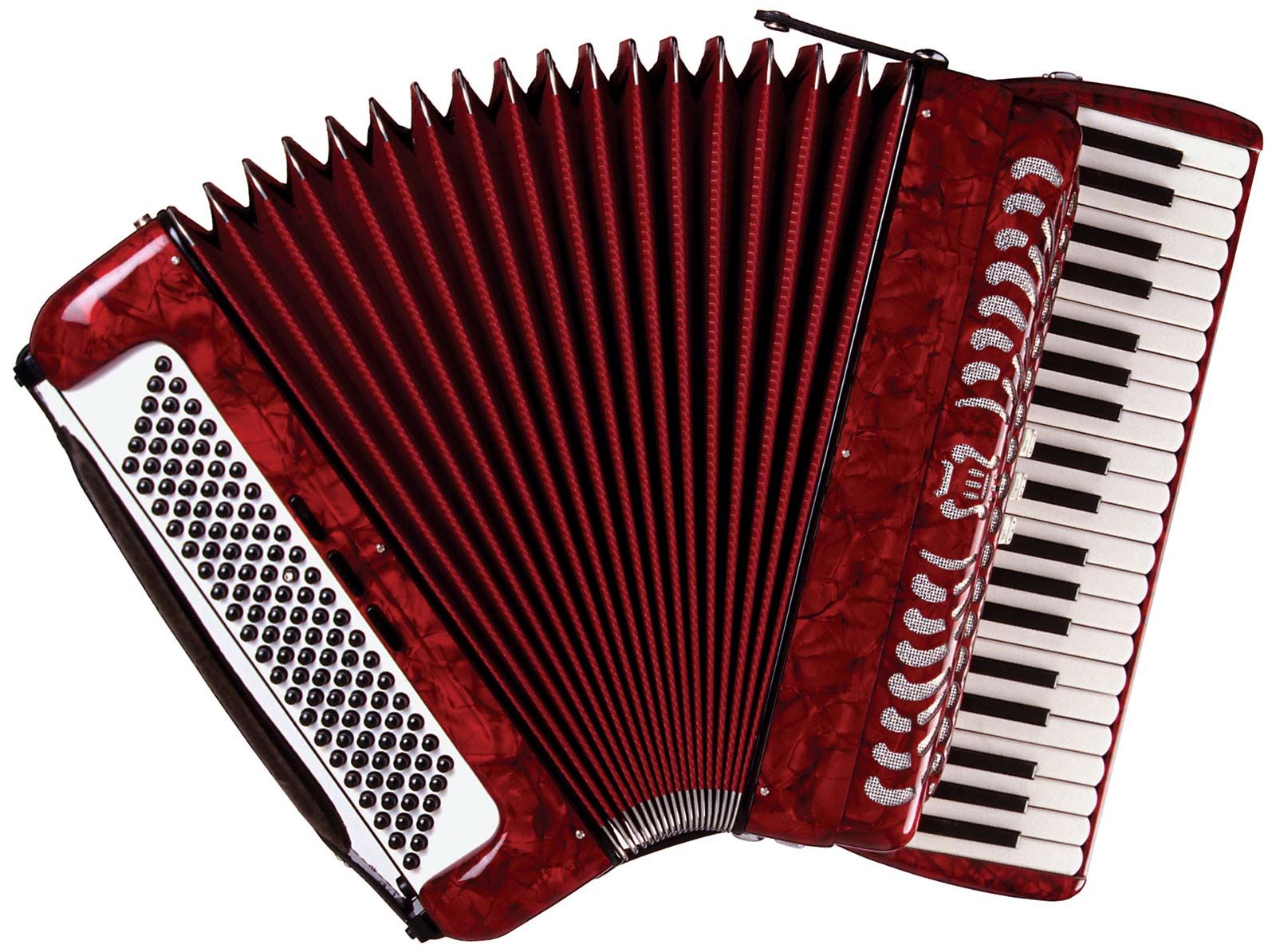
The accordion is an instrumental musical instrument characterized by keyboard, bellows, reeds and buttons that enable its player to produce an array of notes. As such, this makes the accordion an incredibly popular musical choice.
The accordion is a type of squeezebox-type free-reed aerophone. Also referred to as an aeoline, hand physhamonika or flutina, its first invention occurred in Europe sometime during the late 18th century.
It is easy to learn
The accordion is one of the most popular instruments among beginners, offering versatility when played in different styles. As such, it makes an ideal accompaniment to many songs written independently.
Beginners looking to master the accordion should seek lessons with an experienced teacher. This will allow them to select an instrument suited for their music style and properly adjust its straps before getting into an ideal playing posture.
Find an experienced teacher may take some effort, but the effort will pay off. They can make learning much simpler, correct mistakes made during lessons and even help prevent future errors from happening again.
It is affordable
Accordions may be costly, but they’re an invaluable way to learn to play. Being lightweight and easy to transport make them ideal for beginners looking to develop their musical talent.
There are various kinds of accordions available, depending on your needs. Some types, known as button accordions, contain fewer reeds than others such as piano accordions – each is capable of producing music in its own unique way.
Accordions come in various tuning setups designed to suit specific styles of music. For instance, button accordions typically feature two or three voice tuning, while piano accordions typically use four voices.
It is durable
Accordions are durable musical instruments that will outlive even their owners if you take proper care to store it safely in a case or gig bag when not being played.
An accordion case is essential in protecting your instrument from scratches, bumps and dust accumulation. Furthermore, it keeps internal components free from dirt accumulation.
The ideal accordion case should feature adjustable straps that can quickly adapt to fit the size and type of accordion being stored inside, making transport a simple affair. Furthermore, lightweight and portable materials should also be preferred.
It is portable
The accordion (French accordeon, German Akkordeon or Handharmonika and Italian armonica) is a portable musical instrument with manticino strings consisting of an upper casing fitted with piano-style keys or buttons and two bass casings attached at opposite ends with hand-operated bellows.
At the core of both treble and bass casings lie free reeds – small metal tongues that vibrate when air flows around them from one side – controlled by pallets controlled via keyboard or finger buttons. These free reeds vibrate when air passes over one of them from either end.
There are two kinds of button accordions: chromatic and diatonic. Chromatic button accordions produce the same note when you press them or push them, while diatonic buttons play different notes when pulled – these latter types tend to be popular among classical, jazz, and traditional Irish musicians alike.